
From Budanov to Merz: How the dynamics of the negotiations over Ukraine are changing
The eyes of the whole world are now on the Middle East — and it seems that no one cares about Ukraine and that the process of negotiations on the war with Russia has been stopped. But this is not so, war correspondent Serhiy Misiura assures and gives arguments for his claims…
We are beginning to understand the Ukrainian negotiation process, which was lacking in recent days. Everything is visible and understandable regarding Iran, but we must not forget about the war in Ukraine.
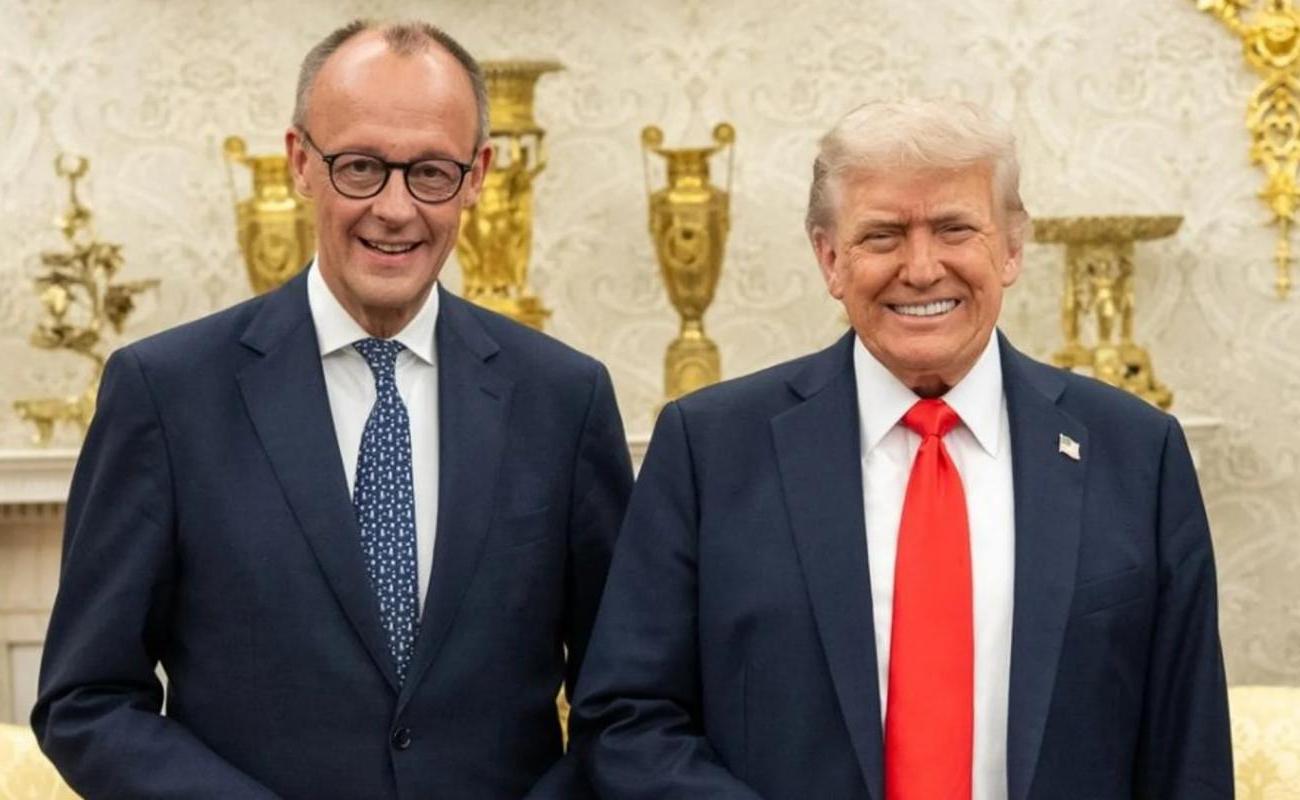
And the first to wake up (in our opinion, unexpectedly) was German Chancellor Friedrich Merz. Yes, he himself stated at a meeting with US President Donald Trump that without Germany (read — Europe) he does not see the final process of negotiations on Ukraine.
That after the US withdrawal from arms and aid deliveries — Europe remains the largest donor and the key subject when it comes to imposing sanctions on Russia. That without them at the negotiating table everything looks incomplete. And we like that very much.
Then the position of the Ukrainian side. And details from two speeches. Kirill Budanov's interview a few days ago with four TV channels and the briefing of Ukrainian President Volodymyr Zelensky. It is great that the conclusions from the interview and the briefing coincide. So, Ukraine has one voice, and, as it became clear from the briefing, it even blocks parallel contacts of the Russian group at the trilateral negotiations! Previously, members of the Russian delegation said one thing to the Ukrainians, another to the Americans, and another at joint meetings. With the arrival of Budanov, they began to adhere to the same line. I can't even imagine how much effort it takes for the Russians to remember and answer for their previous words.
Probably the most important thing that Budanov said about the negotiations is that the main track of the discussion is the topic of territories. Everything else is less important and has already been almost resolved. The military track is resolved by the army. And territories are already a political process. And here, too, an important nuance is that it is Budanov who is taking care of the political bloc in the negotiation process, and this is perhaps the most important and difficult case at this stage. And the help of other countries in this bloc is also necessary and significant.
After the interview, it is worth adding that for some it was a revelation, but also a definite reminder, that Budanov has many years of experience in communicating with the Russians. He said the word CS several times, and none of the journalists deciphered this phrase. Because for people in the field, it is a common abbreviation - Coordination Headquarters. Or more precisely - Coordination Headquarters for the Exchange of Prisoners. And it exists long before 22...
Once again, we emphasize our support for Budanov, who headed the Ukrainian negotiating team. What about the American, what about the Russian negotiating team. And his words and a calm smile — “I have been communicating and working with the Russians for a long time. It just needs to be understood as a job. And that is the job of an intelligence officer.”
To summarize. Despite the events in Iran - Ukrainians are not sitting around waiting for everything in the Middle East to just end. The negotiation process is at the same level. Ukraine survived the winter, preparations for the next one have begun. In February, Ukraine liberated more territory than the Russians occupied. Ukraine must reap as much benefit as possible from the events in the Middle East.
Because, definitely, not everything is bad for Ukrainians. Ukraine is on the right track.