
National educational program launched for primary healthcare physicians to prevent childhood obesity
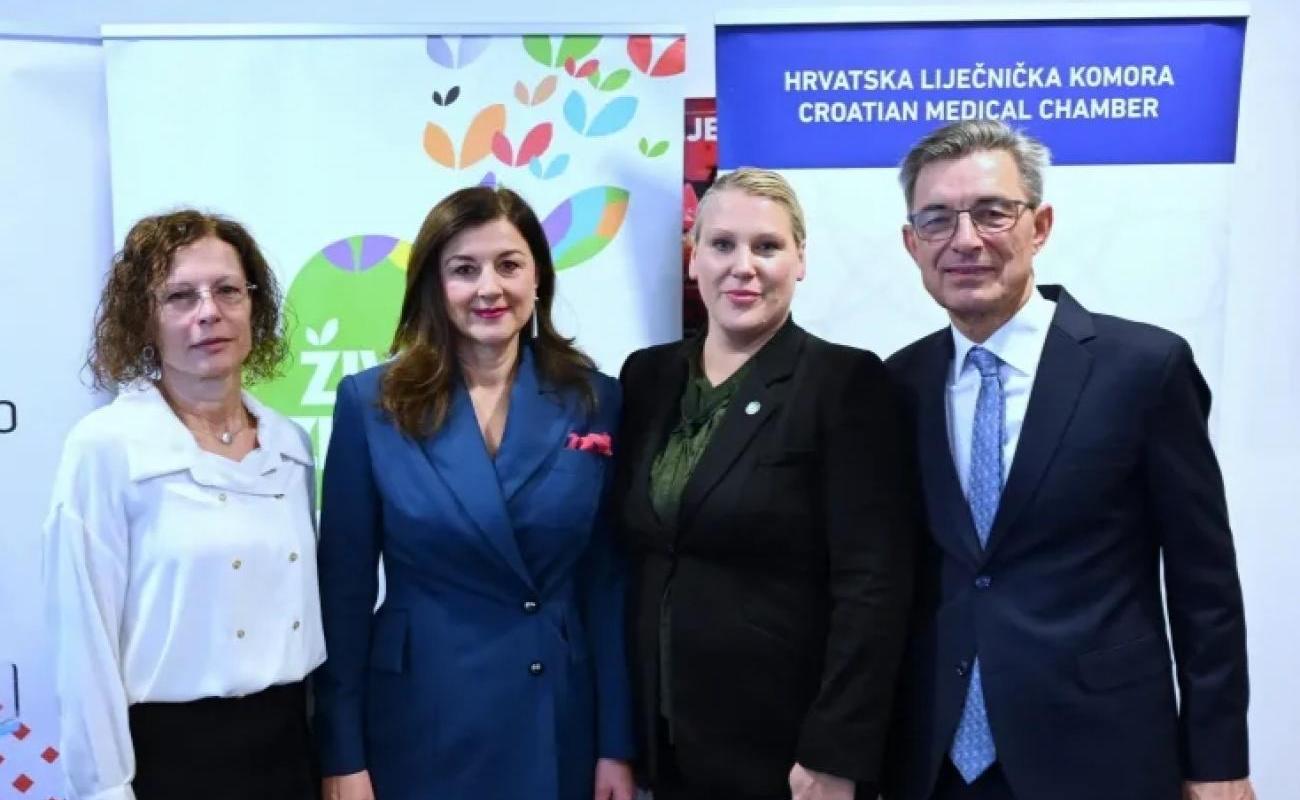
Today in Zagreb, the implementation of the national educational program “The Role of Primary Healthcare Physicians in Preventing Obesity in Children Aged 0 to 9 Years” has begun. The program aims to strengthen the capacity of primary healthcare physicians in the field of childhood obesity prevention, addressing one of the most pressing public health challenges of our time. The national education initiative is organized by the Croatian Institute of Public Health and UNICEF Office for Croatia, in cooperation with the Croatian Medical Chamber.
The 2022 study “European Childhood Obesity Surveillance Initiative” revealed that every third child of primary school age in Croatia is living with overweight or obesity, and the country is recording a rise in the prevalence of childhood overweight and obesity.
In the publication “Analysis of Nutritional Status and Diet of Children Aged 0–9 in the Republic of Croatia,” published in 2024 as part of the collaboration between the Croatian Institute of Public Health and UNICEF Office for Croatia, primary healthcare physicians highlighted the need for additional training in areas such as promoting adequate nutrition and physical activity, counseling and motivational interviewing, and obesity treatment.
Primary healthcare physicians play a key role in addressing the challenges of unhealthy lifestyles and rising obesity rates from the earliest stages of life—identifying risk patterns, advising parents, and supporting healthy choices from the very beginning of a child’s life.
This national educational program was developed in response to the needs of primary healthcare physicians for guidance in promoting proper nutrition and preventing overweight and obesity in children. Its goal is to strengthen the competencies of physicians working in primary healthcare to act effectively during the first years of a child’s life and to provide them with guidelines and tools to support family counseling.
Through a dynamic, multidisciplinary approach, the program features lectures by leading experts in pediatrics, epidemiology, neonatology, nutrition, and public health. Physicians will gain knowledge and practical skills on topics such as the epidemiology of childhood obesity, monitoring nutritional status, physical activity and inactivity in children, risk factors, the importance of proper nutrition and breastfeeding in early obesity prevention, and public health strategies for prevention and management of overweight and obesity in children.
Additional contributions include guidelines and real-life case studies from pediatric practice.
The educational program is delivered online in the form of webinars to enable participation by as many primary healthcare physicians as possible, and a handbook for participants has also been prepared.