
A phantom refinery: How Georgia helps Putin bypass oil sanctions
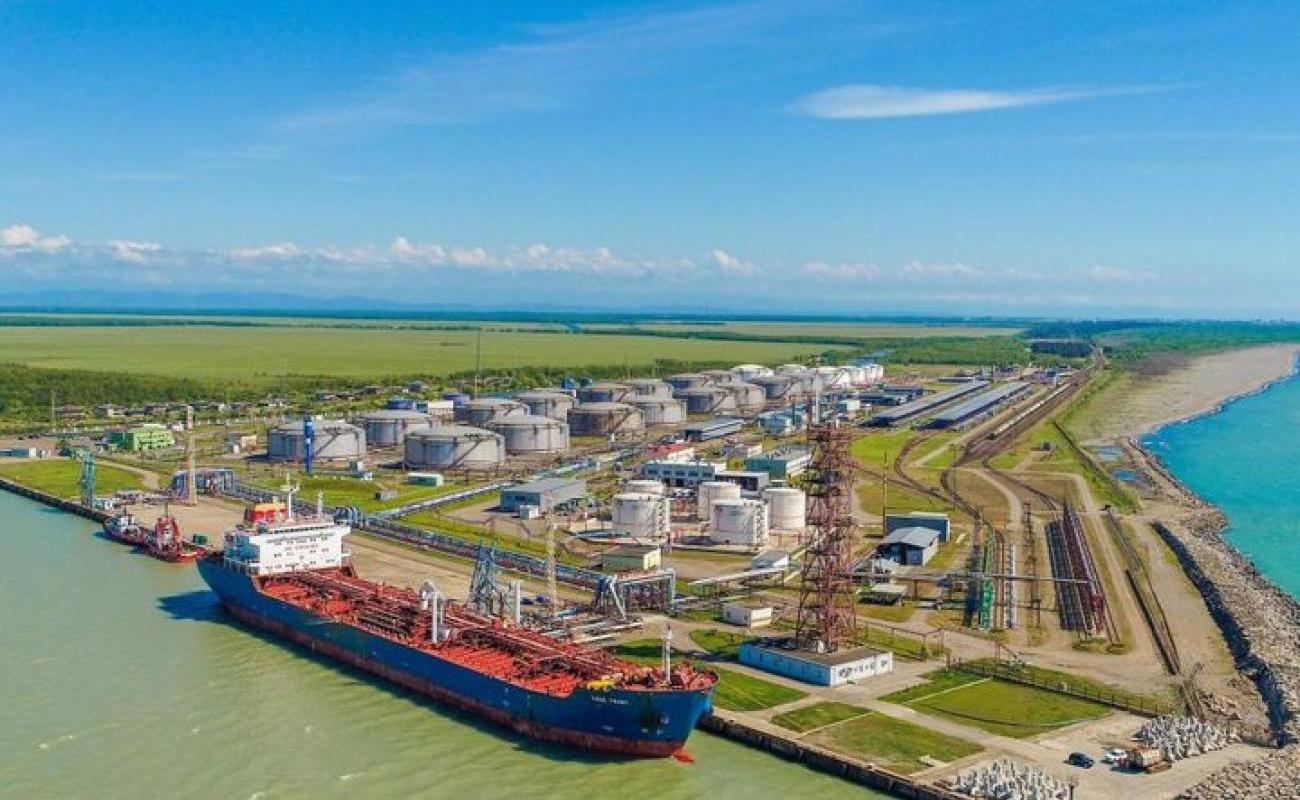
In January 2026, Georgia exported $56 million worth of petroleum products that it claimed were domestically produced, a 3,300% increase from the same period the previous year. The unprecedented surge is being linked to the opening of a new refinery in Kulevi, which received its first oil tanker in October 2025. The family that owns the refinery has ties to Russia, and “shadow fleet” vessels have delivered crude to the facility. More notably, however, there is no publicly available evidence that oil processing at the Kulevi refinery has actually begun. Experts suggest the facility is selling Russian petroleum products as if they were Georgian, which has put the port at risk of EU sanctions.
An ex-model with an oil plant
Speaking at the presentation of the Kulevi oil refinery project on the Black Sea coast in October 2024, Georgian Prime Minister Irakli Kobakhidze promised that the new refinery would increase Georgia’s export potential, improve the country’s foreign trade balance, and stabilize the national currency.
Sitting in the front row with Kobakhidze was Black Sea Petroleum owner Maka Asatiani, whose company had taken on construction of the plant. Asatiani is often described as a designer, but there is virtually no information in the media about her doing any design work since the early 2000s. A former model, the daughter of well-known Georgian footballer Kakha Asatiani, and the ex-wife of Georgian footballer Merab Jordania, Maka was for many years a figure in society pages rather than business news.
After divorcing Jordania, Asatiani married Kote Gogeliya, a Russian businessman of Georgian origin. For a time, the couple and their three children (Asatiani’s two sons from her first marriage and one child from her marriage to Gogeliya) lived in Switzerland and Spain. In 2009, after coming back to Georgia, Asatiani said she lived as a homemaker and grew cucumbers in her garden.