
Orbán Falls: A Political Earthquake That Shakes Moscow, Washington and the Global Right
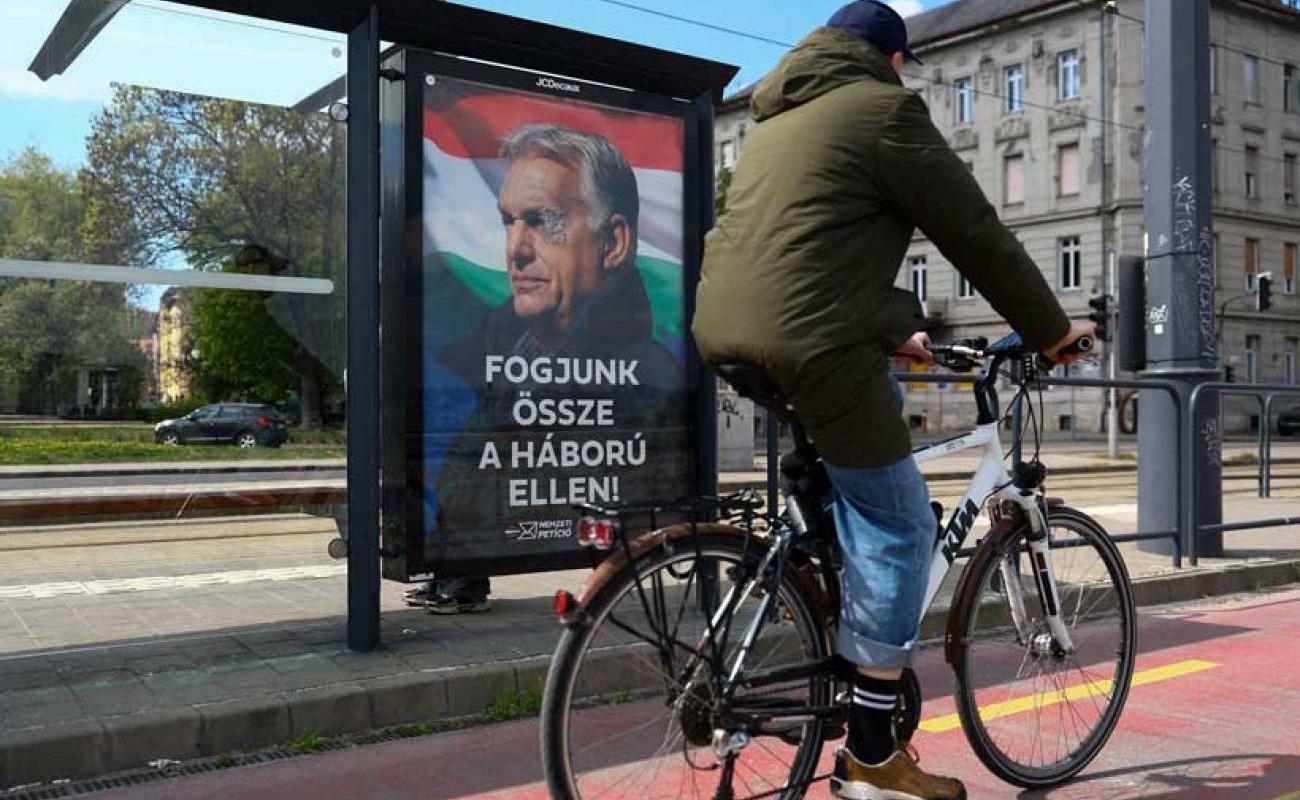
Hungary has delivered one of the most consequential electoral upsets in modern European politics. Opposition leader Péter Magyar has decisively defeated long-time Prime Minister Viktor Orbán, ending 16 years of entrenched rule under the Fidesz party.
With a record turnout exceeding 74 percent and a commanding parliamentary supermajority, the result marks a clear rejection of corruption, economic stagnation, and democratic backsliding. Orbán’s immediate concession surprised many observers and likely prevented political unrest at a moment of intense public dissatisfaction.
This election was widely framed as a choice between deeper alignment with Europe or continued authoritarian drift. Hungarian voters chose change.
Why Orbán Lost His Grip
Orbán’s system was never a fully closed autocracy. Elections still mattered, even if tilted in his favor through gerrymandering, media dominance, and state patronage networks.
Several factors weakened his hold:
- Economic strain marked by inflation and declining living standards
- Growing anger over corruption and elite excess
- A unified and disciplined opposition under Magyar
- Voter fatigue with grievance based politics
Magyar’s campaign capitalized on these vulnerabilities, offering a credible alternative that previous fragmented oppositions failed to present.
A Blow to Putin’s Influence in Europe
The clearest geopolitical loser is Vladimir Putin.
Under Orbán, Hungary functioned as Moscow’s closest partner inside the European Union. Budapest repeatedly delayed aid to Ukraine and disrupted collective EU decision making.
Orbán’s defeat weakens Russia’s ability to influence European policy from within. It also signals limits to the Kremlin’s strategy of cultivating sympathetic leaders across democratic systems.
Trump and the Limits of Political Export
The result is also a setback for Donald Trump and his allies.
The Trump administration openly supported Orbán, with figures like JD Vance engaging in pre election signaling. That backing has now failed in a highly visible way.
More broadly, Hungary was seen as a model for right wing populist governance. Its rejection raises questions about whether that model can sustain itself when economic performance falters and opposition forces unify.
A Turning Point for Right Wing Populism
Orbán’s Hungary was a hub for transnational conservative networks, hosting conferences, think tanks, and political figures aligned with nationalist and anti liberal agendas.
This election challenges the momentum of that movement:
- It shows voters can reverse democratic erosion through elections
- It weakens the narrative of inevitable right wing ascendancy
- It exposes the fragility of systems built on media control and patronage
However, this is not a global defeat for populism. Instead, it is a warning that such movements remain vulnerable to performance failures and credible challengers.
Implications for Europe, Ukraine and China
The ripple effects will be significant:
European Union
The EU regains a more cooperative member, potentially easing internal gridlock and reinforcing democratic norms.
Ukraine
Kyiv may find it easier to secure consistent European support without Hungarian obstruction.
China
Beijing faces uncertainty. Hungary had served as a key gateway for Chinese investment into Europe. Magyar must now balance economic pragmatism with political realignment toward the EU.
What Comes Next for Hungary
Magyar’s supermajority gives him the power to dismantle Orbán’s institutional legacy, but this must be done carefully.
Aggressive reforms risk alienating former Fidesz voters, while slow change could disappoint supporters seeking rapid transformation. The challenge will be restoring democratic institutions without deepening national divisions.
Analysis: A Victory With Global Lessons
Hungary’s election delivers a powerful message. Even weakened democracies retain the capacity for self correction when voters are mobilized and opposition forces unite.
But it also carries a warning. If future populist leaders learn from Orbán’s mistakes, they may pursue more entrenched and less reversible forms of power.
For now, Hungary stands as a rare democratic rebound in a world still drifting toward illiberalism.