
The Propaganda Monitor: RSF exposes China’s global campaign to distort journalism worldwide
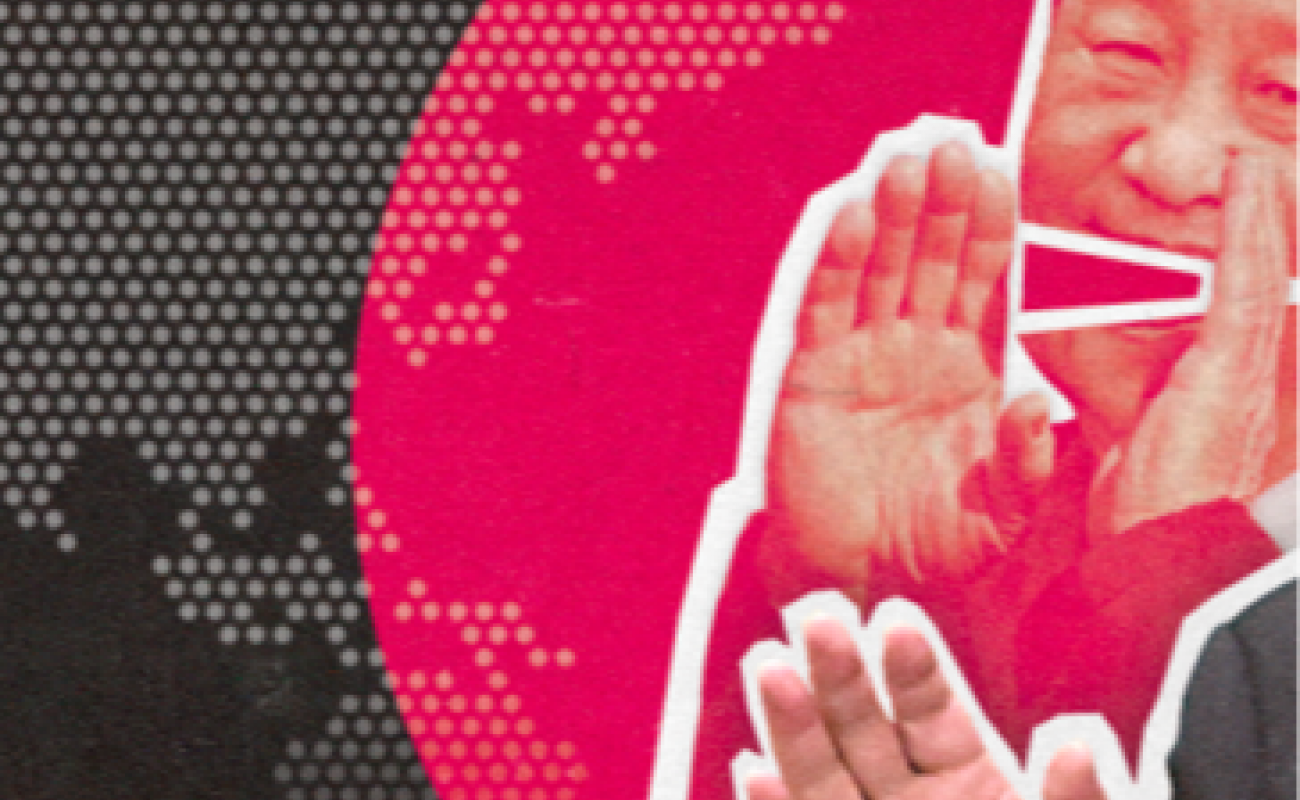
This report is the second episode of The Propaganda Monitor, an investigative project run by RSF to expose the geopolitics of propaganda. After a first edition focused on Russia, this second report traces the Chinese regime's global propaganda apparatus and its expansion across five continents.
The findings of this edition are alarming: no country in the world is immune to Chinese propaganda. Since Xi Jinping came to power in 2013, the Chinese regime has not merely silenced the media on its own territory. It has also actively sought to export a "new world media order" beyond its borders and replace journalism with an authoritarian model of information control where outlets exist to parrot the state.
The report details how Beijing is investing heavily in expanding its state media presence abroad, partnering with trusted media outlets in the targeted countries and inviting journalists from around the world on all-expenses-paid trips to China to promote its narrative. This system relies on a multitude of actors, from the Central Propaganda Department — which controls the content of state media, such as CGTN and Xinhua, which operate in 160 countries around the world — to diaspora media in the US, Australia and New Zealand. China’s propaganda apparatus leverages propagandists beholden to Beijing's interests, such as Andy Boreham from the state-run outlet Shanghai Daily, and “trains” foreign journalists to parrot the regime's propaganda. Moreover, Beijing's crackdown on journalism — which has made China the world's leading jailer of news professionals, with 120 currently detained — increasingly extends to reporters abroad, fostering self-censorship on reporting critical of China.
“China is trying to establish its own norms and its own model of journalism — one in which the media respond only to the regime and are considered a tool of propaganda and control, not an independent pillar of democracy. What is even more threatening is that China works hand in hand with other authoritarian regimes, such as Putin’s Russia, to strengthen their grip on the global information space and transform journalism as we know it worldwide. We hope that this report will shed more light on these tactics and equip our democracies with a shield to protect our information space — before it is too late.
China's strategies to export its authoritarian media model
1 – Content-sharing deals: Content-sharing agreements between Chinese state media and foreign public broadcasters and local media allow Chinese propaganda to be republished as seemingly independent journalism, as seen in Germany.
2 – Preying on diaspora media: Diaspora media and influential figures that hold the attention of Chinese expats are recruited — or coerced — to amplify Chinese propaganda and deliberately omit content that does not align with the regime’s interests, as seen in the United States.
3 – Equipment in exchange for censorship: Funding and professional equipment is provided to local media in exchange for editorial alignment with the Chinese regime’s interests, including censored subjects, as seen in the Solomon Islands.
4 – Communicating in local languages: There has been an uptick in the foreign language services offered by Chinese state media outlets — such as CGTN, which broadcasts in 160 countries, including Türkiye, France and Afghanistan — to spread Beijing’s narratives and whitewash China’s human rights abuses.
5 – Pressuring foreign outlets via embassies: Chinese embassies and their diplomats have been attacking independent media outlets and doxxing journalists investigating Beijing’s influence, discrediting these reporters’ work in an attempt to intimidate them into silence, as seen in the Philippines and Denmark.
6 – Training programmes and media summits: Organising fully funded trips and “training” programmes, as well as media summits for journalists to undermine basic journalistic principles and promote Chinese propaganda and narratives, as seen in Argentina and Fiji.
7 – Transnational repression: China not only detains 120 journalists at home, but also targets independent and diaspora media worldwide, including US and UK-based Uyghur and Hong Kong journalists.
8 - Propagandists and influencers: State-linked Chinese institutions have increasingly organised sponsored trips for foreign YouTubers and TikTok creators, while state media organise programmes for influencers to spread its propaganda and reach broader and younger audiences, as seen in Germany, Nigeria and New Zealand.
9 – Investments and advertising: China invests heavily in media and social media advertising. In Taiwan, the China-based company Wubianjie has invested heavily in promoting disinformation content in Facebook lifestyle groups and Threads accounts, particularly during politically sensitive and fragile periods. In South Africa, a media in which two Chinese state-linked investors hold a 20% stake cancelled a journalist’s column after he wrote about the persecution of Uyghurs in China.
10 – Amplifying like-minded propaganda: Chinese state media outlets such as CGTN amplify content from Russian state media outlets such as Sputnik and RT, notably spreading their propaganda surrounding Russia’s full-scale invasion of Ukraine.
All of The Propaganda Monitor’s articles from both the Chinese and Russian editions are available on the project’s mini-site. These reports continue to be published regularly based on RSF investigations.
China ranks 178th out of 180 countries and territories in the 2026 RSF World Press Freedom Index.